








The Lavin Agency Speakers Bureau
A speakers bureau that represents the best original thinkers,
writers, and doers for speaking engagements.

Food shapes far more than what we eat. It influences our health, our environment, our local economies, our cultural identities, and the ways we care for one another. Yet many of the most important conversations about food are disconnected from the everyday choices that individuals, organizations, and communities can make.
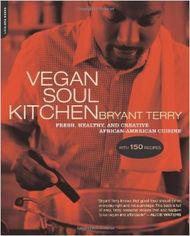
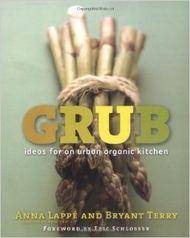
Drawing on more than two decades of work as a chef, educator, author, publisher, and artist, Bryant Terry offers a fresh, hopeful perspective on food justice—one grounded not in guilt or ideology, but in curiosity, creativity, and possibility. Through compelling stories, historical insights, and practical examples, he demonstrates how food can strengthen communities, improve well-being, support local economies, and create opportunities for meaningful social change.
Rather than prescribing a perfect diet or offering simplistic solutions to complex challenges, Bryant equips audiences with a new framework for understanding the connections between food, public health, culture, equity, and the environment. Depending on the audience and event, he may even prepare a simple dish or incorporate live cooking to demonstrate how delicious, accessible food can become a catalyst for conversation, learning, and community.
Audiences leave inspired to make more thoughtful choices about the food they eat, the communities they support, and the role they can play in building a healthier, more connected, and more equitable future.

Every recipe tells a story. Beyond ingredients and instructions, recipes preserve histories of migration, adaptation, survival, celebration, and exchange. They reveal what communities valued, what resources were available, what traditions endured, and how people transformed inherited knowledge into something entirely their own.
Drawing on his work as an artist, cookbook author, publisher, and historian, Bryant Terry invites audiences to see recipes not simply as culinary instructions but as living archives that carry culture across generations. Through stories from his own books, editorial practice, visual art, and historical research, he explores how recipes record movement across continents, preserve embodied knowledge, reflect systems of power, and continually evolve as they encounter new people, places, and possibilities.
Along the way, Bryant demystifies the craft of recipe writing itself, revealing how choices about language, ingredients, sequencing, and adaptation shape not only what we cook but how we understand history and identity. Whether discussing a family recipe, a contemporary cookbook, or an everyday meal, he demonstrates how recipes become acts of authorship, interpretation, and cultural stewardship.
Audiences leave with a richer understanding of food as a form of historical evidence, practical tools for reading and writing recipes with greater clarity and intention, and a new appreciation for the ways everyday cooking can preserve the past while imagining more connected and creative futures.

Innovation rarely comes from staying within a single discipline. It emerges when we connect ideas, materials, histories, and people that don’t usually belong together.
Drawing on his work as an artist, chef, publisher, and historian, Bryant Terry takes audiences inside a creative practice built on curiosity, experimentation, and collaboration. Through stories from museum exhibitions, cookbook publishing, public programming, and artistic research, he reveals how ideas evolve as they move across disciplines and why some of the most original work begins by asking better questions rather than chasing immediate answers.
Along the way, Bryant shares practical lessons about building creative communities, embracing experimentation, learning from failure, and recognizing unexpected sources of inspiration. Whether translating historical research into sculpture, transforming recipes into cultural narratives, or bringing together artists, writers, designers, and chefs through 4 Color Books, he demonstrates how meaningful innovation grows from generosity, openness, and a willingness to see familiar things in new ways.
Audiences leave with a more expansive understanding of creativity, practical strategies for cultivating original thinking and collaboration, and renewed confidence in their own ability to make meaningful contributions, regardless of their field.